Walk down any supermarket aisle and you'll find shelves of clear, pale, almost odourless cooking oil. Those are refined oils, extracted at high temperatures, often with chemical solvents, and then bleached and deodorised. Cold pressed (or wood pressed) oil takes the opposite route: seeds are crushed slowly at low temperatures and the oil is simply allowed to settle and filtered. Both have their place, but they are very different products. Here is an honest look at the trade-offs.
The pros
- More of the seed's natural goodness. Because the oil is never heated to high temperatures, more of the naturally present vitamin E, antioxidants and plant compounds stay in the bottle instead of being lost during refining.
- No chemical solvents. Refined oils are usually extracted using hexane and then treated to remove colour and smell. Cold pressed oil is just pressed and filtered, nothing is added and nothing is stripped out.
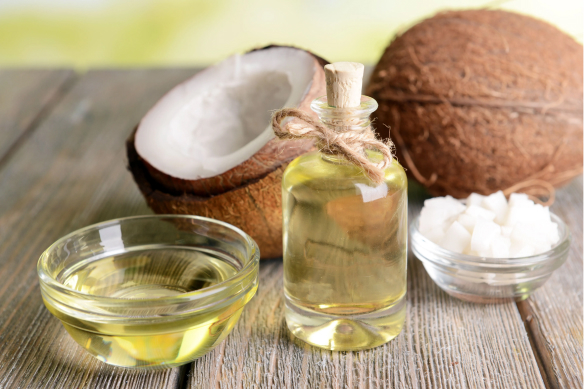
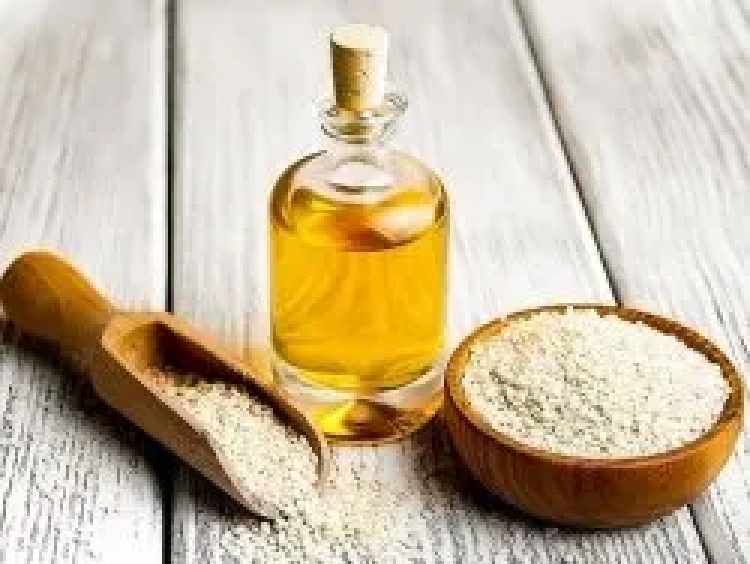
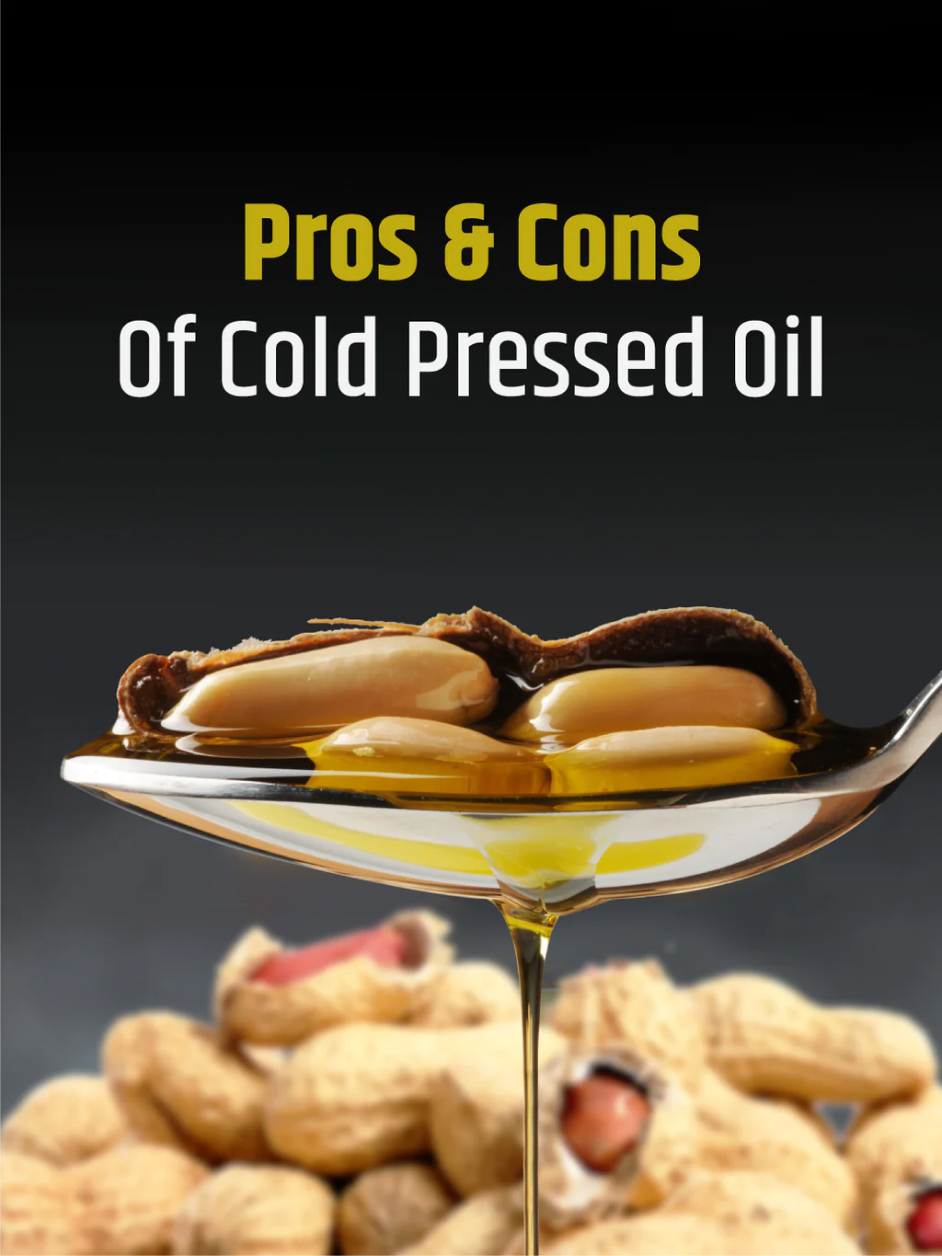
- Real flavour and aroma. Groundnut oil that actually smells of groundnuts, sesame oil with a toasty depth, coconut oil that smells like fresh copra. A small amount goes a long way in tadkas, chutneys and pickles.
- Supports traditional mills and farmers. Wood pressing is a slower, smaller-scale process. Choosing it keeps local seed sourcing and traditional oil mills alive.
The cons (and how to handle them)
- It costs more. Slow pressing gets less oil out of each kilo of seed than industrial extraction, so the price per litre is higher. Many families find they use a little less because the flavour is stronger.
- Shorter shelf life. Without preservatives or heavy processing, cold pressed oil is best used within a few months of opening. Buy a size you'll finish, and keep it away from heat and sunlight.
- It can look cloudy or have sediment. A little settling at the bottom of the bottle is natural and harmless. It's a sign the oil hasn't been chemically clarified.
- Stronger taste. Some dishes, like cakes or delicate stir-fries, may need a milder oil. That's why it helps to keep two or three different oils in your kitchen.
The bottom line
Cold pressed oil isn't magic, and like any fat it's best enjoyed in moderation. But if you care about knowing exactly what goes into your food, it is one of the simplest switches you can make. Start with the oil you use most, groundnut or sesame for most South Indian kitchens, and rotate between two or three oils through the week.
Try pure, wood pressed oil
Fresh from our mill to your kitchen. Book on WhatsApp in a tap.